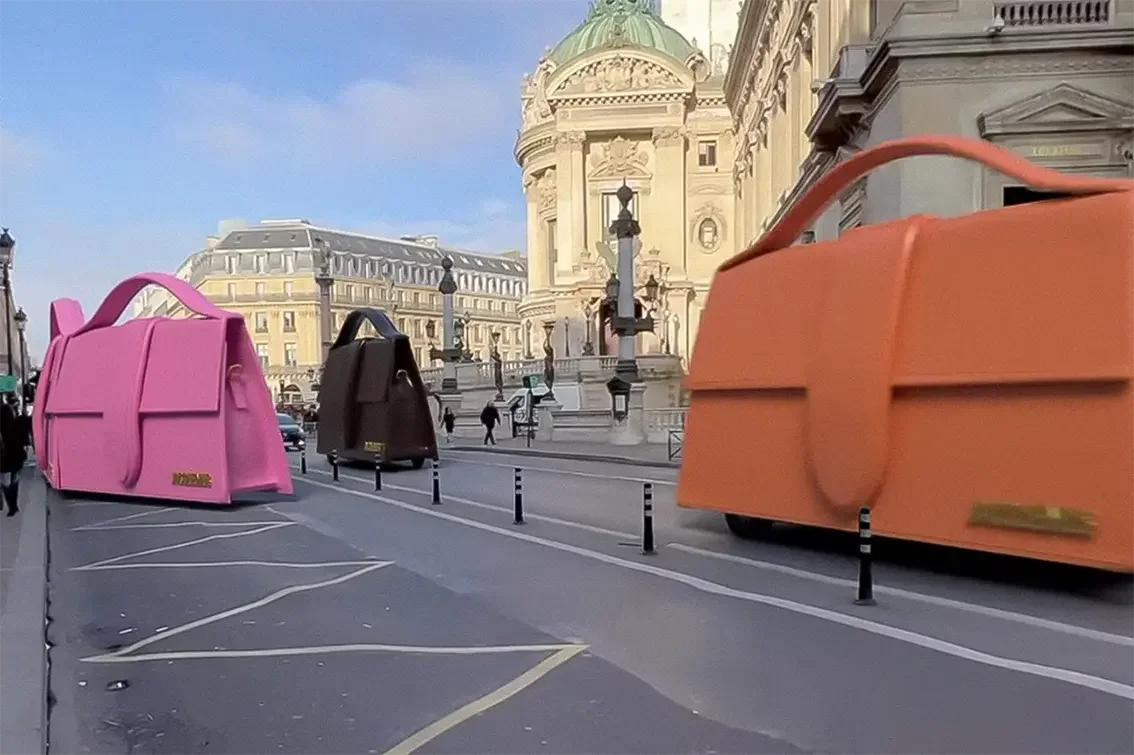
Jacquemus
How brands can learn from the luxury sector to create campaigns that capture attention, drive engagement and build brand loyalty.
Luxury brands have long understood the power of physical experiences to immerse audiences in their rich heritage and the storytelling behind their products. However, in recent years, it’s become clear that the most innovative and exciting experiential campaigns are coming from the luxury sector, particularly in fashion and beauty. So, what’s fueling this investment in experiential marketing, and how is it influencing the wider brand experience landscape?
Leading the experience trend
Luxury brands have long been shifting away from their traditional focus on older, wealthy clientele and have instead set their sights on trendsetting Gen Z and Millennials. This younger demographic is crucial for building the “cool factor” of a brand, and experience marketing has become a key strategy to engage them. We also know this group is highly responsive to brand experiences, which has fueled the meteoric rise of pop-up shops, bold PR stunts, and creative events.
But it’s not just about jumping on the experiential bandwagon, luxury brands are pushing boundaries and developing entirely new formats. A prime example of this is the rise of ‘hyper-real’ content.
The trend first took off in April 2023, when Jacquemus created digitally rendered handbags seemingly driving through a city centre. At first, it fooled us. But as the trend became widespread, the cachet wore off. Enter Marc Jacobs in September 2023, who turned the concept on its head by unveiling an enormous, IRL handbag installation in New York, leading us to believe it was another digital illusion until we realised it wasn’t. This surprising twist sent the industry into a frenzy, setting a new physical direction for the trend—one that might have reached its peak with the jaw-dropping Louis Vuitton store takeover in New York in November 2024.
This is just one example of how luxury brands are consistently leading the charge in experiential innovation. And it's not just about high price tags. The Hermès ‘Le Monde d’Hermès Kiosk’ from 2022 is another great case, showing how simplicity and aesthetic appeal can create global buzz. The much-referenced design has been featured in many a creative inspiration moodboard, as brands seek to emulate the simplicity and highly aesthetic approach that gained this little orange news stand industry fame around the globe.
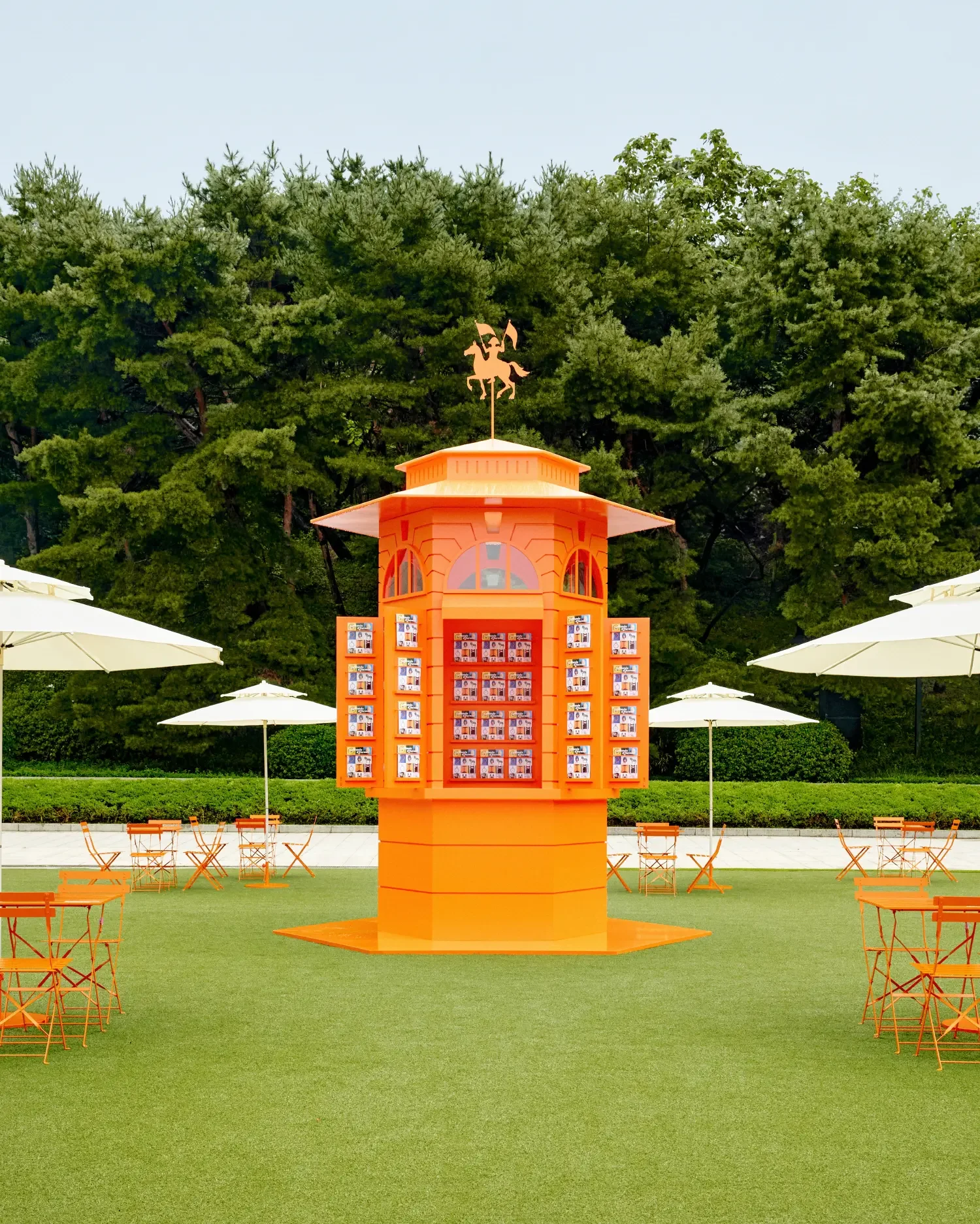
LE MONDE D'HERMÈS KIOSK 2023 - Wozere Studio
What’s the
secret sauce?
As the lines between affordable luxury and true luxury continue to blur, how do the iconic luxury brands stand out from the wannabes? While many brands leverage the same hype-building tactics-think limited-edition drops, exclusive products, and visually captivating campaigns—luxury brands seem to have discovered the secret to success: simplicity and an unwavering commitment to a brand-first.
Luxury experiential campaigns don’t try to do too much. Instead, they focus on executing one idea extremely well—often at an over-the-top scale.
This commitment to simplicity ensures that the campaign resonates with clarity and impact. But there’s more. It’s the combination of simplicity with a laser-focused creative brief that prioritises the brand-first concept that often propels these campaigns to global hype status.
Affordable luxury experiences: Lessons for the aspiring brands
What can other brands, particularly those trying to reach “aspirational” luxury status, learn from this? Ultimately, it’s the bravery of luxury brands that makes their experiences so successful. It takes confidence—backed by a lot of groundwork and research—to take bold risks. From an insider’s experiential perspective, developing these ambitious campaigns often takes 9–12 months or more, as brands and agencies work to break new ground without an instruction manual to guide them.
For those looking to create an aspirational luxury campaign in 2025 and beyond, here are a few tips to consider from the luxury playbook:
Stay ahead of the trends: Understand what’s trending and then flip it. If something’s popular, consider what the opposite would look like and explore how you can disrupt it.
Simplicity is key: Reduce your idea to its simplest form, then blow it up in the most creative and unexpected way possible. Luxury brands aren’t cluttering their campaigns with multiple ideas—they’re focusing on one bold concept and executing it flawlessly.
Attention to detail: Luxury is all about the details. Every aspect of the campaign—whether it’s the design, location, or execution—should reflect the brand’s commitment to quality and craftsmanship.
Think beyond traditional venues: Don’t settle for the usual. Seek out unconventional locations for your events—places that surprise and intrigue. Hit the street and find the hidden gem that perfectly fits the brand or idea.
By embracing these principles, other brands can learn from the luxury sector’s fearless approach to experiential marketing, setting the stage for future campaigns that not only capture attention but also drive genuine engagement and brand loyalty.
FAQ’s
-
The success of an experiential marketing campaign should be measured against clear business objectives rather than attendance alone. Common KPIs include brand engagement, dwell time, lead generation, product sampling, social reach, earned media, sales uplift, customer acquisition and ROI. At Backlash, we build measurable objectives into every campaign and provide post-event reporting to help brands understand the commercial impact of their investment.
-
When selecting an experiential marketing agency, brands should evaluate creative capability, strategic thinking, in-house delivery, project management expertise and proven experience delivering campaigns of a similar scale. It's also important to assess how the agency manages venue sourcing, production, logistics, staffing, compliance and campaign measurement. Agencies that provide end-to-end delivery typically offer greater consistency, accountability and quality control throughout the project.
-
Description text goes hereLuxury brands require experiences that reflect their positioning while creating meaningful connections with their audience. Experiential marketing enables premium brands to deliver exclusive launches, immersive pop-ups, VIP events and high-end retail activations that reinforce brand perception, encourage advocacy and drive customer loyalty. Every touchpoint—from creative concept through to execution—should reflect the quality and prestige of the brand.
-
The earlier an agency is involved, the greater the opportunity to maximise creative ideas, secure premium venues, optimise budgets and deliver a seamless activation. Early collaboration also allows sufficient time for concept development, production planning, stakeholder approvals and logistical coordination, helping brands avoid unnecessary compromises caused by short lead times.
-
Experienced agencies oversee every stage of multi-location activations, including venue sourcing, logistics, production, staffing, health and safety, supplier management and on-site delivery. Having an integrated team managing the campaign ensures consistency across every location while reducing operational complexity for internal marketing teams.
-
Experiential marketing delivers strong results across sectors where customer engagement influences purchasing decisions, including beauty, fashion, retail, fragrance, FMCG, technology, automotive and luxury lifestyle brands. Whether launching a new product, driving retail footfall or increasing brand awareness, tailored live experiences help brands create memorable interactions that traditional advertising alone cannot achieve.
Find out more about our Experiential Marketing Services here