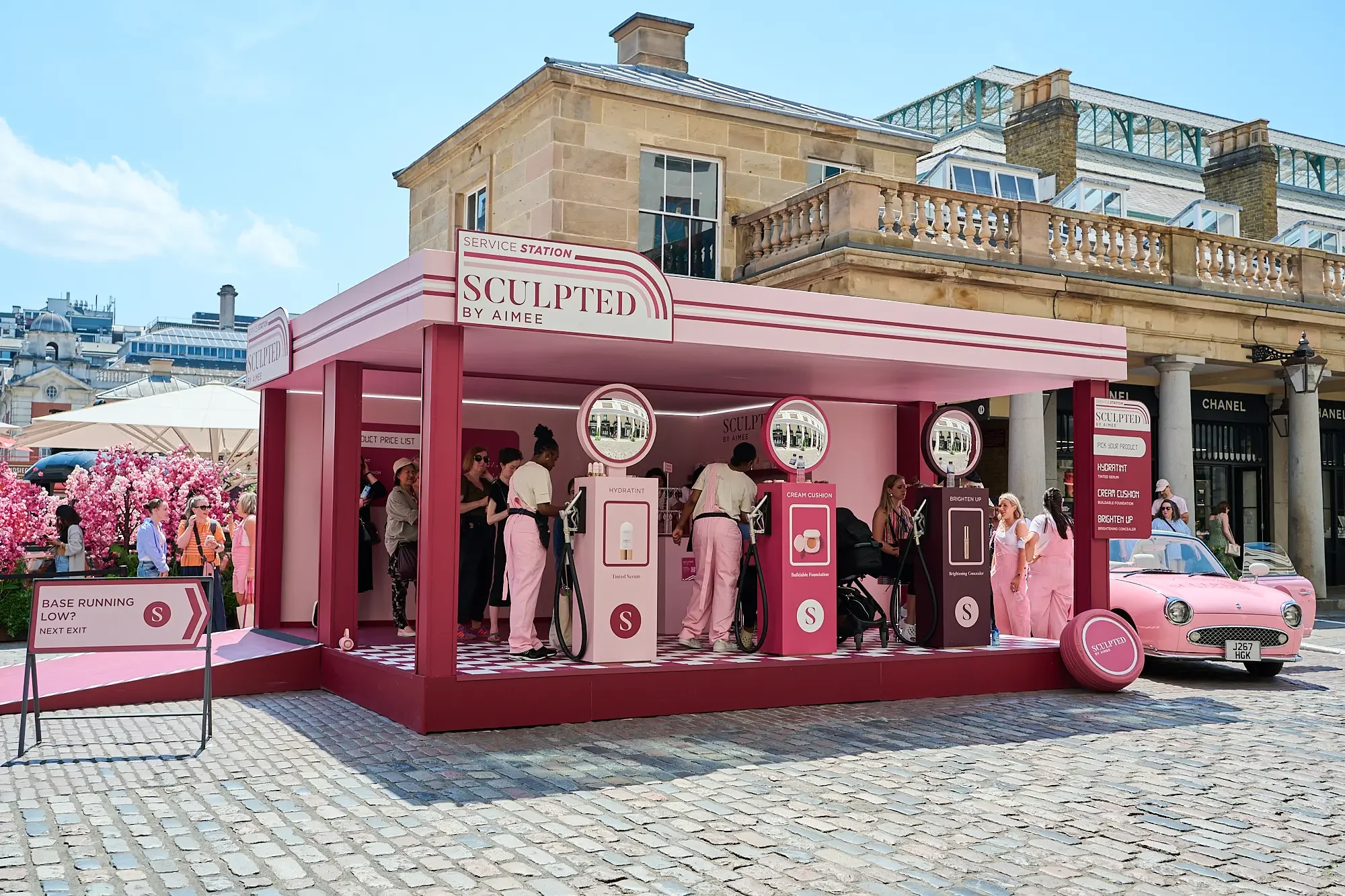
Sculpted By Aimee, Service Station, Covent Garden, Backlash 2026
Let’s be honest - nobody’s stopping mid-scroll because of a banner ad anymore.
People skip. People block. People have developed a kind of advertising blindness that would have seemed unthinkable ten years ago. And yet, ask someone about a brand experience that really caught them off guard, a pop-up that made them laugh, a product launch that appeared like an event worth attending - and they’ll tell you about it in detail.
That’s the gap experiential marketing fills: it turns attention into real brand moments. And in 2026, more brands than ever are deciding they don’t want to figure it out alone.
Whether it's a product launch, immersive activation, roadshow or live brand experience, partnering with an experiential agency allows businesses to deliver memorable campaigns that create lasting customer engagement and measurable business outcomes.
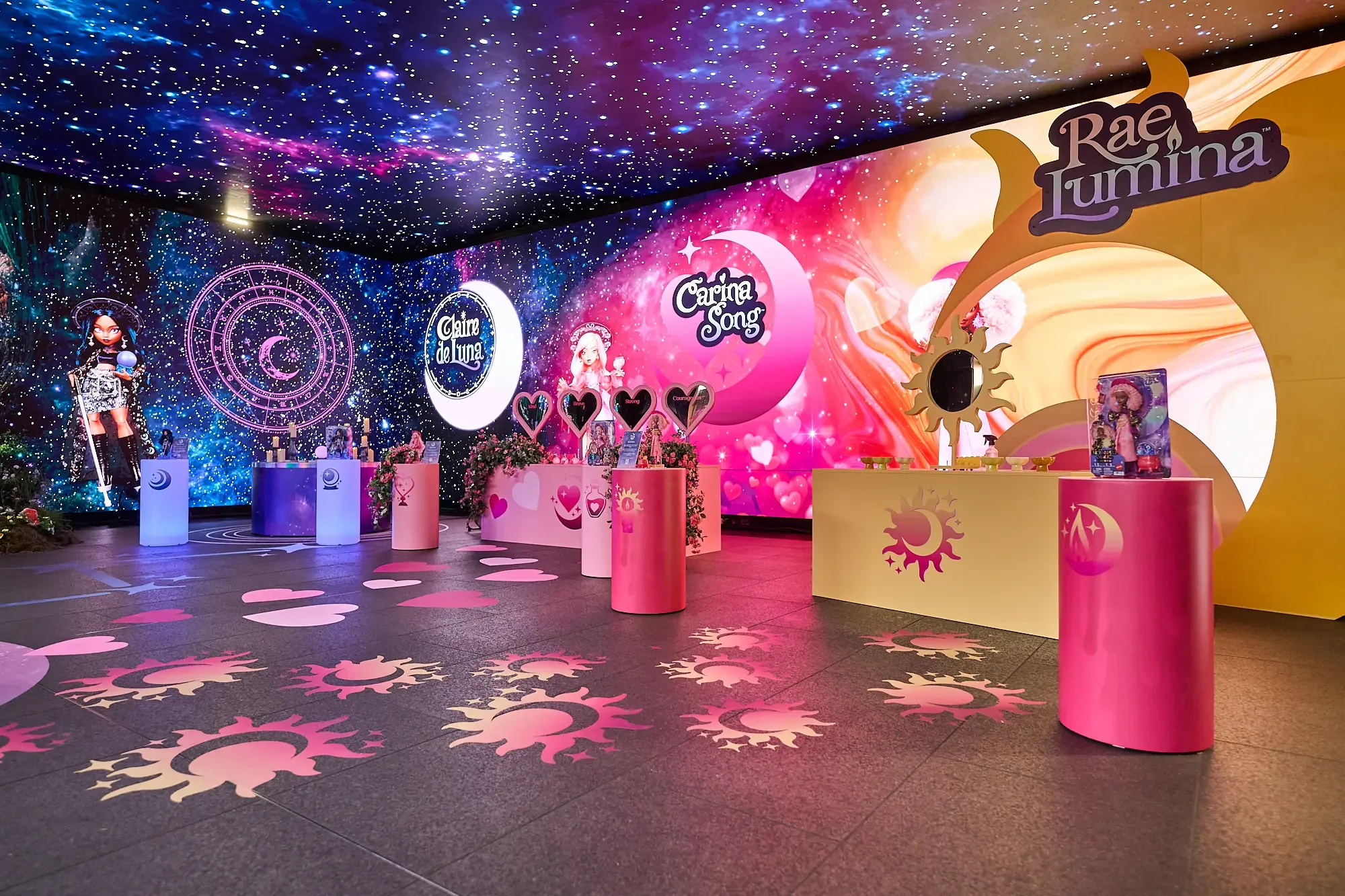
Moonspell by Monster High Launch at Outernet - Backlash 2026
Why the growing importance of experiential marketing in 2026
Something changed post-pandemic that the industry is still adjusting to. People rediscovered the value of being somewhere, of experiencing things in real life rather than through a screen. That hunger hasn’t gone away; it’s grown.
For brands, that’s both a difficulty and an opportunity. The challenge: digital channels are noisier and less effective than ever. The opportunity: a well-executed live experience lands harder, sticks longer, and travels further (hello, organic social content) than almost anything else in the marketing toolkit. That’s because experiential marketing gives brands an opportunity to create authentic face-to-face interactions that build trust, increase brand awareness and encourage organic social sharing.
What is an experiential agency?
Adverts get scrolled past. Experiences get talked about.
An experiential agency exists in that space, the one between a brand and a real human moment. A sample handed to someone on a grey Tuesday morning makes them smile. A festival installation so unexpected that people pull their phones out before they've even finished looking at it. A product launch that doesn't feel like a product launch at all, but an event people actually wanted to attend.
The craft is in making it feel effortless. It rarely is. Behind every activation that looks spontaneous and alive are months of planning, a small army of suppliers, and a team that has already solved the ten problems the client never knew were coming. Such a blend, wild creative ambition married to obsessive operational detail, makes a great experiential agency.
From creative concept development and event production to logistics, staffing and post-event reporting, an experiential agency manages every stage of the customer experience.
Why brands are moving past traditional marketing
Here’s a question we hear a lot: Why not just handle it in-house?
It’s a fair one. And the honest answer is that some brands try, and some do it well. But for most, constructing genuine experiential capability internally is harder than it looks. It needs dedicated people, trusted supplier relationships built over years, and a creative culture that isn’t constantly competing for attention against quarterly reports and internal approval chains.
That’s why brands are increasingly working with an experiential agency. Not because they can’t think creatively, but because execution at scale, done brilliantly, is a specialism. Specialists make that value clearer, faster, and more reliably.
Working with an experienced agency also provides immediate access to specialist event producers, creative strategists, technical experts and trusted supplier networks without the ongoing cost of building an in-house team.

Sunglass Hut Summer Activation, Covent Garden, Backlash 2026
Creating meaningful customer connections through live experiences
There’s a reason experiential campaigns drive brand awareness and loyalty in ways paid social campaigns rarely do. When someone physically interacts with your brand, they try it, touch it, laugh at it, or share it; that memory formed is categorically different from seeing a graphic in a feed.
It becomes a story. And stories get retold.
This is especially true in sectors such as FMCG, retail, entertainment, automotive, and fashion, where the emotional relationship between the consumer and the brand is everything. However, genuinely, any brand that wants to build real loyalty rather than just reach can benefit from bringing their story to life in the real world.
The benefits of working with an experiential agency
Is it more cost-effective than doing it in-house? In most cases, yes, and not just because of headcount savings.
When you work with the right agency, you’re not only buying execution. You’re buying years of supplier relationships that keep costs down, a creative team that has seen what works and what doesn’t across dozens of campaigns, and the kind of scalable resource that lets you go big when the moment calls for it and lean when it doesn’t. You also buy back your team’s time, which, if you’ve ever tried to project-manage a live event on top of a day job, is worth more than people admit.
How experiential agencies measure success and ROI
The “but how do you measure it?” question used to be experiential marketing’s Achilles heel. Not anymore.
Modern campaigns are built with data in mind from day one. This can be footfall, dwell time, social reach, lead capture, post-event sentiment, and sales uplift. At Backlash, measurement is part of the brief, not a footnote after the event. Clients need to be able to walk back into a boardroom and show what the activation delivered. That clarity is why the work matters.
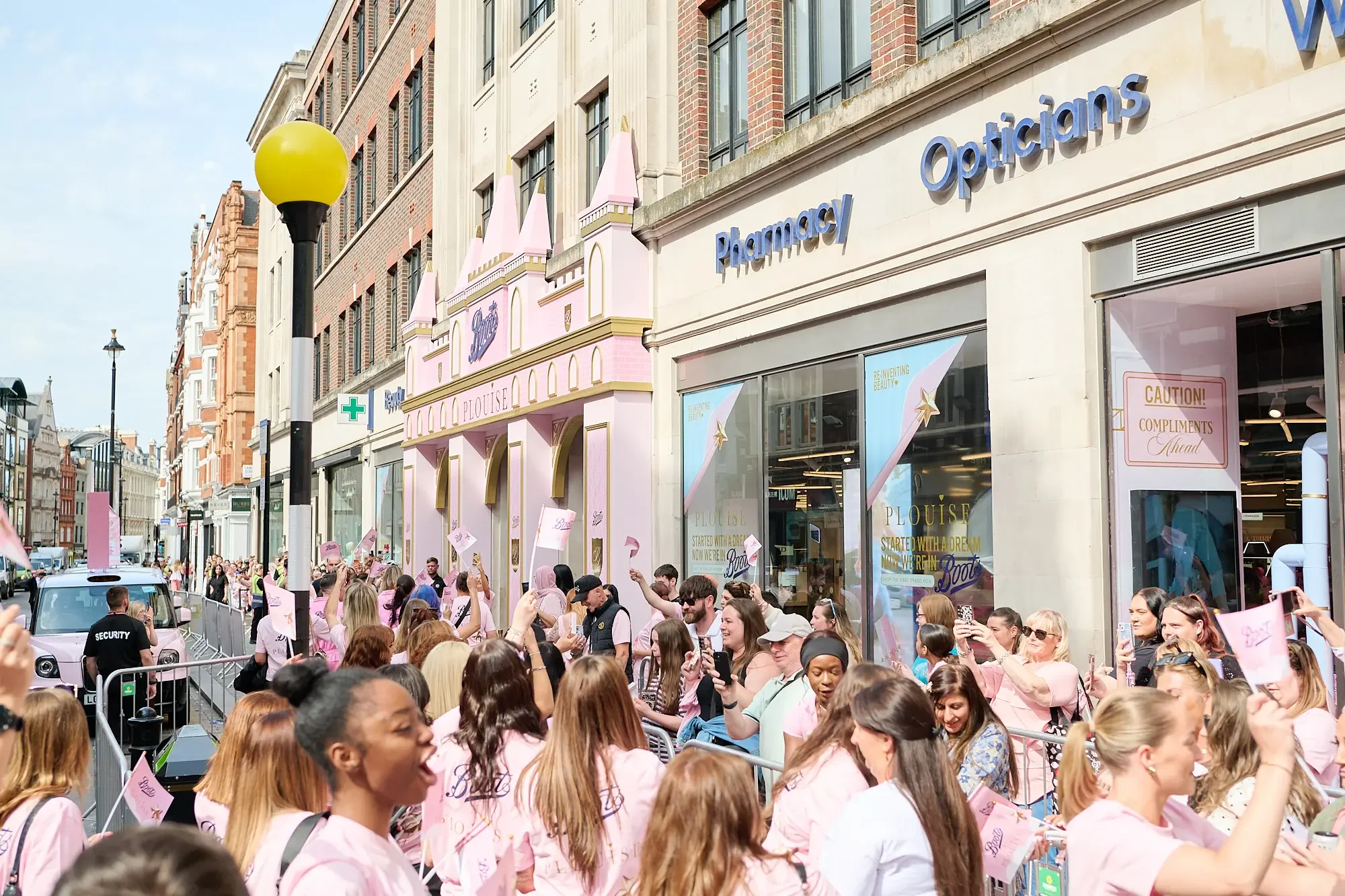
Crowds at the P-Lousie Launch at Boots, Backlash 2026
What to consider when selecting an experiential agency?
Creative portfolio matters. So does sector experience. But the thing people don’t always ask about and probably should - is what occurs when something goes wrong on the day. Because something always does.
The best agencies have the experience to absorb the unexpected without it ever reaching the client. That calm, that problem-solving instinct, is often the most valuable thing you’re paying for.
Also worth asking: do they actually listen? The best brief conversations are two-way. If an agency pitches you a concept before they’ve asked meaningful questions about your audience, walk away.
Finally, it's also important to ask for previous case studies and understand how the agency measures campaign success to ensure they can deliver against your business objectives.
Why experiential marketing will continue to grow in 2026?
The more saturated digital gets, the more physical standout is worth. That dynamic isn’t reversing anytime soon.
Brands that invest in live experience now are building something that goes beyond campaign metrics. They’re building brand equity that builds up over time. Fans, not just customers. Advocates, not just impressions.
Final Thoughts
The brands making the most noise in 2026 aren’t necessarily the ones with the biggest ad budgets. They’re the ones creating moments people genuinely want to be part of and talk about afterwards. That’s why more brands are turning to experiential agencies to do it well.
Whether you're planning a product launch, brand activation, roadshow, or immersive campaign, we'd love to carry on the conversation and help bring your next experience to life.
Frequently Asked Questions
-
An experiential agency provides immediate access to creative specialists, event producers, supplier networks, logistics experts, and measurement tools without the cost of building and maintaining an internal team.
-
Experiential marketing works particularly well for retail, FMCG, automotive, technology, hospitality, finance, entertainment, healthcare, and B2B brands looking to strengthen customer engagement.
-
Success is measured using KPIs such as event attendance, lead generation, social engagement, customer feedback, dwell time, QR code scans, and also media coverage, user generated content and sales impact, depending on campaign objectives.