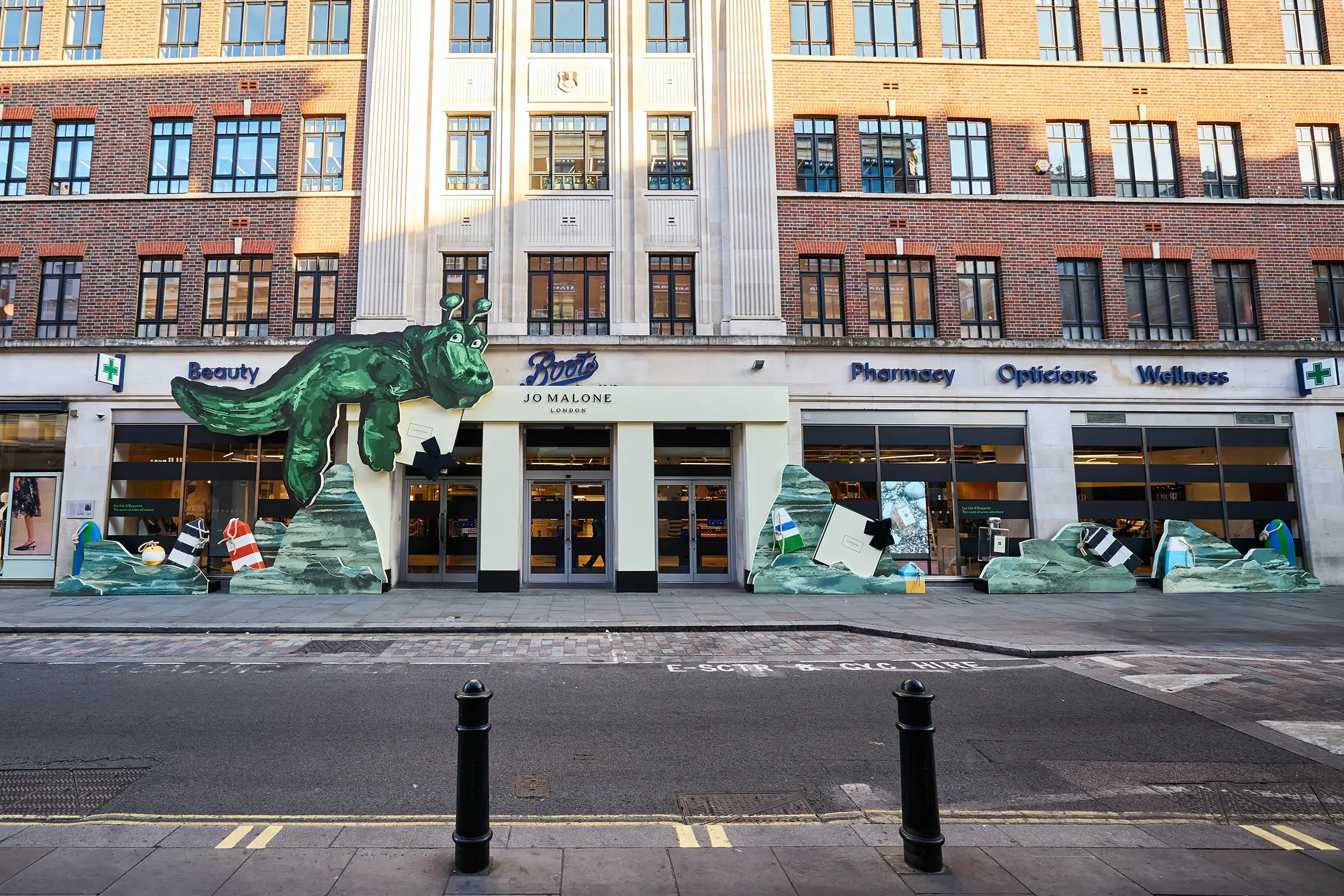
Jo Malone London - Boots 2026 - Example of Retailtainment
Why Experiential Marketing Continues Evolving
Consumers are tired of ads that talk at them, which is why brands are investing more in experiential marketing. It creates trust and loyalty in ways a banner ad never could. In-person and hybrid brand experiences let people feel a brand rather than just see it, and that emotional connection translates into recall, advocacy, and sales.
Consumers are still very interested in in-person brand experiences, arguably more than ever. After years of digital fatigue, people crave real-world moments worth showing up for. But 2026 is shaping up to be a “backlash” year too: audiences are pushing back against experiences that feel gimmicky, wasteful, or manufactured purely for social media clout. The trends below reflect both the opportunity and the correction.
Trend #1: AI-Powered Personalisation and Engagement
AI is reshaping experiential marketing campaigns from the ground up. Instead of standard activations, brands now use AI to tailor content, conversations, and even physical layouts in real time based on attendee behavior. Smart badges, AI chat hosts, and predictive attendee journeys mean every visitor gets a slightly different, more relevant experience. The catch: audiences are wary of AI that feels cold or invasive, so the winning campaigns use AI behind the scenes to enhance human interaction, not replace it.
Trend #2: Sustainable and Purpose-Driven Activations
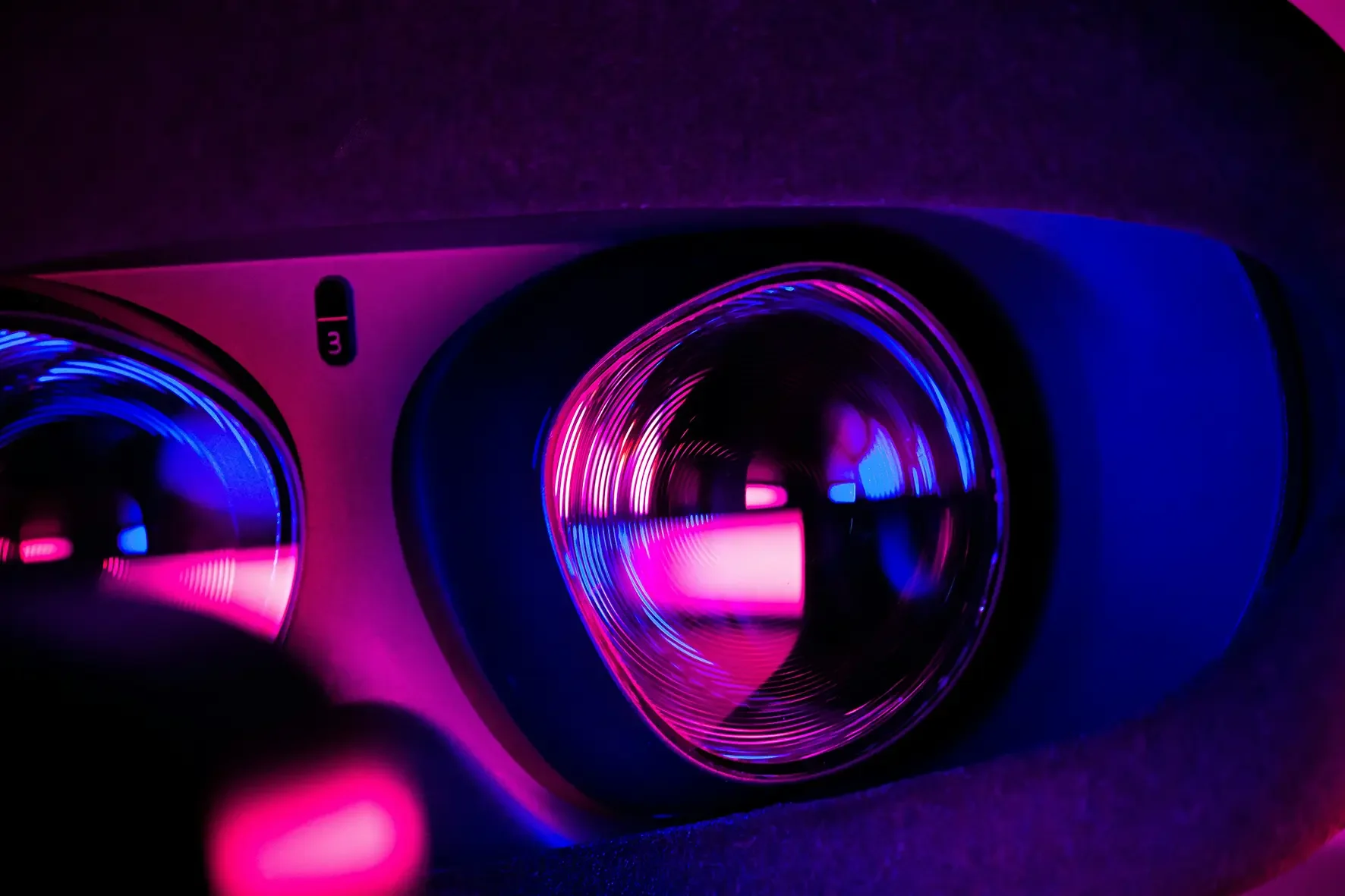
Sustainability has moved from a nice-to-have to a dealbreaker. Attendees notice single-use materials, wasteful giveaways, and hollow “green” messaging — and they call it out publicly. In 2026, sustainability in experiential marketing means modular, reusable event structures, local sourcing, and activations tied to a genuine cause rather than a marketing checkbox. Brands that treat purpose as decoration rather than substance are the ones most likely to face backlash.
Trend #3: Immersive Experiences Using AR, VR and Interactive Technology
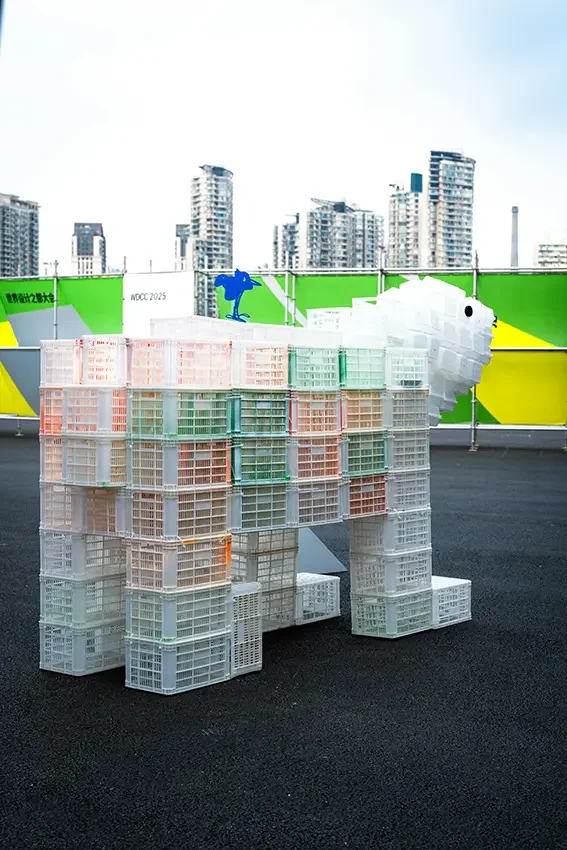
Immersive technology at events has matured well beyond novelty headsets. Augmented reality overlays, projection mapping, motion-triggered installations, and mixed-reality product demos are now standard tools for any capable brand experience agency building a memorable activation. The difference in 2026 is subtlety: technology that disappears into the experience rather than dominating it, so the story stays front and centre instead of the gadget.
Trend #4: Hyper-Personalised Brand Experiences
Beyond AI personalisation, brands are designing entire journeys around personal tastes, from customisable product stations to experiences which adapt based on a guest’s past interactions with the brand. This goes deeper than “here’s your name on a screen.” It means giving people a genuine sense of choice and ownership over how they explore a space, which drives far stronger emotional recall than a scripted, identical path for every visitor.
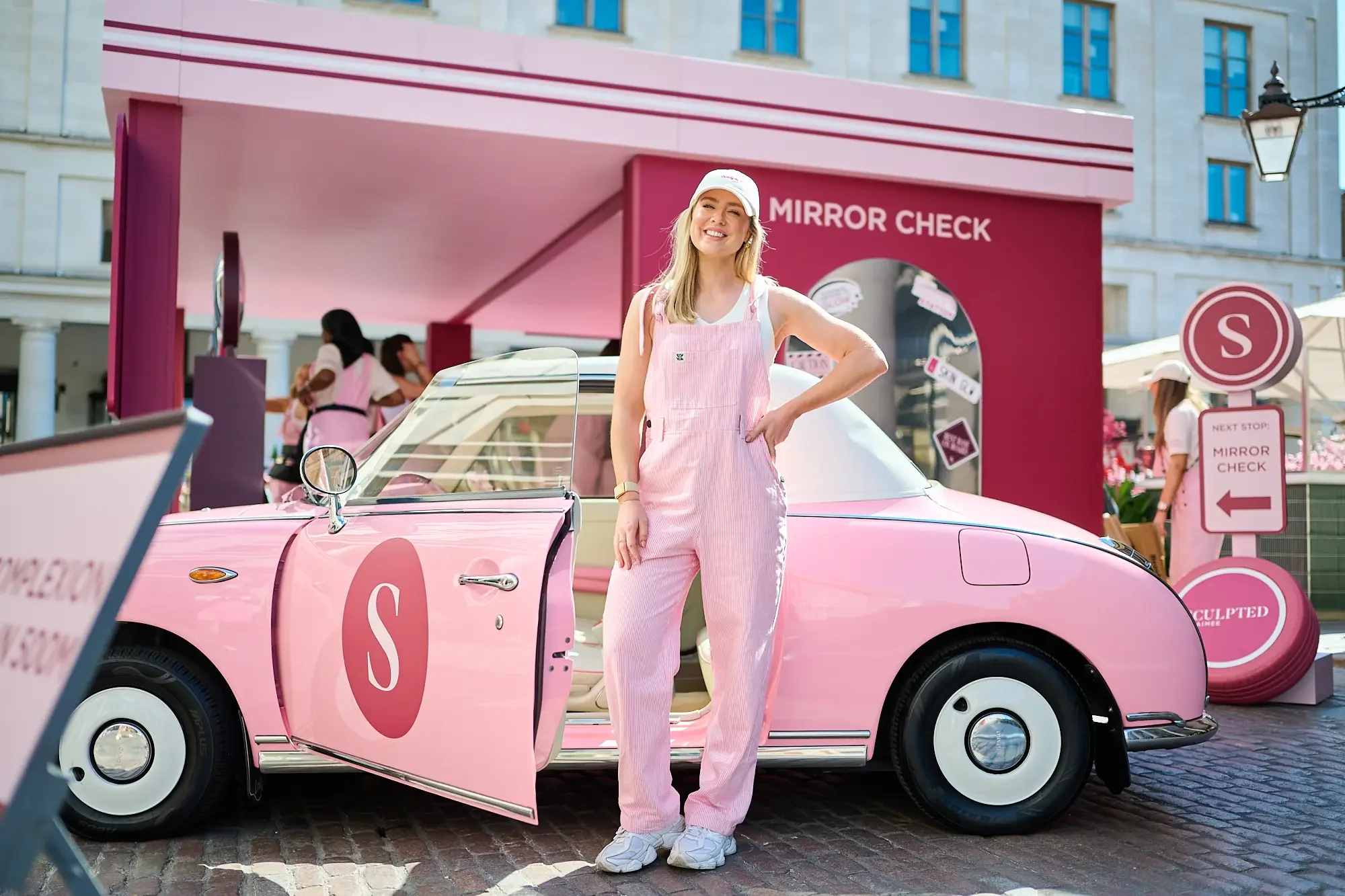
Sculpted by Aimee - 2026 - Community Driven Activation
Trend #6: Retailtainment and Experiential Retail
Physical retail is fighting back against e-commerce by becoming a destination in its own right. Retailtainment blends shopping with play, workshops, live demonstrations, and social moments, turning a store visit into an event. This is also where the future of pop-up experiences and brand activations is heading — shorter, sharper, more frequent activations that test ideas quickly rather than one enormous annual flagship event.
Trend #5: Community-Led and Creator-Focused Activations
Rather than renting influencer reach for a single post, brands are co-creating experiences with communities and creators from the planning stage onward. This produces content that feels native rather than sponsored, and it gives attendees a reason to participate rather than just observe. Expect smaller, more intimate activations built around niche communities to outperform mass-market pop-ups in both engagement and cost efficiency.
Trend #7: Data-Driven Event and Activation Planning
Measuring experiential marketing success used to mean counting foot traffic and hoping for the best. Now, brands track dwell time, engagement heatmaps, sentiment analysis, sales lift, and post-event behaviour to prove real ROI. A data-first approach also lets brands test smaller formats before scaling, reducing wasted spend and giving leadership the evidence they need to keep investing in experiential budgets.
What These Trends Mean for Brands in 2026?
Together, these trends point to a simple shift: bigger isn’t automatically better, and technology isn’t automatically impressive. Audiences want experiences that feel considered, sustainable, and genuinely useful. Brands that partner with an experienced brand experience agency are more likely to maintain innovation with genuineness, rather than chasing trends that trigger backlash rather than buzz.
Conclusion: Preparing for the Future of Brand Experiences
The brands that win in 2026 will be the ones that listen before they build — using AI, immersive tech, and data thoughtfully, and treating sustainability and community as core values rather than marketing props. Experiential marketing isn’t going anywhere; it’s simply growing up, rewarding brands that create experiences worth remembering for the right reasons. In a year shaped by both opportunity and correction, the brands that integrate innovation with genuineness will stand out.
Frequently Asked Questions
-
Measuring experiential marketing ROI requires tracking both real-time engagement and post-event business outcomes. The most effective measurement framework focuses on three core pillars:
Direct Engagement Metrics: Dwell time, interaction heatmaps, footfall, and participation rates at interactive or personalised stations.
Digital Amplification & Sentiment: Social reach, user-generated content (UGC), hashtag volume, and AI-driven sentiment analysis.
Conversion & Commercial Lift: Event-specific QR code redemptions, lead capture rates, on-site sales, and post-event purchase lift compared to non-attendees.
-
To prevent attendee fatigue and avoid negative sentiment on social media, activations must deliver genuine utility, personal relevance, and clear value:
Subtle, integrated technology: Use AR, VR, and AI behind the scenes or as intuitive narrative devices rather than headline novelties.
Participant ownership: Give attendees agency over their journey through customisation and interactive choices instead of forcing a scripted, one-size-fits-all path.
Community-first collaboration: Co-create activations alongside creators and niche communities to generate organic, authentic connection rather than transactional, sponsored stunts.
-
Modular and reusable architecture: Using flat-pack, recyclable, or rentable structural elements that can be reconfigured across multiple pop-ups.
Elimination of single-use swag: Replacing disposable promotional giveaways with digital takeaways, high-utility gifts, or direct charitable contributions.
Localised production: Sourcing catering, fabrication materials, and event staff locally to reduce transportation emissions and strengthen community ties.