The toy aisle is one of the most competitive spaces in retail, and your product has only seconds to earn attention. Toy visual merchandising helps brands win those seconds, and well-planned toy in-store displays can turn a quick glance into a purchase. This article is for toy brands that want to create better retail experiences, from shop-in-shops to standalone units and seasonal windows. We cover what works, what retailers look for and how to plan, drawing on industry research and our own toy projects at Backlash.

Mattel Moonspell by Monster High - Backlash 2026
Why Visual Merchandising Matters for Toy Brands
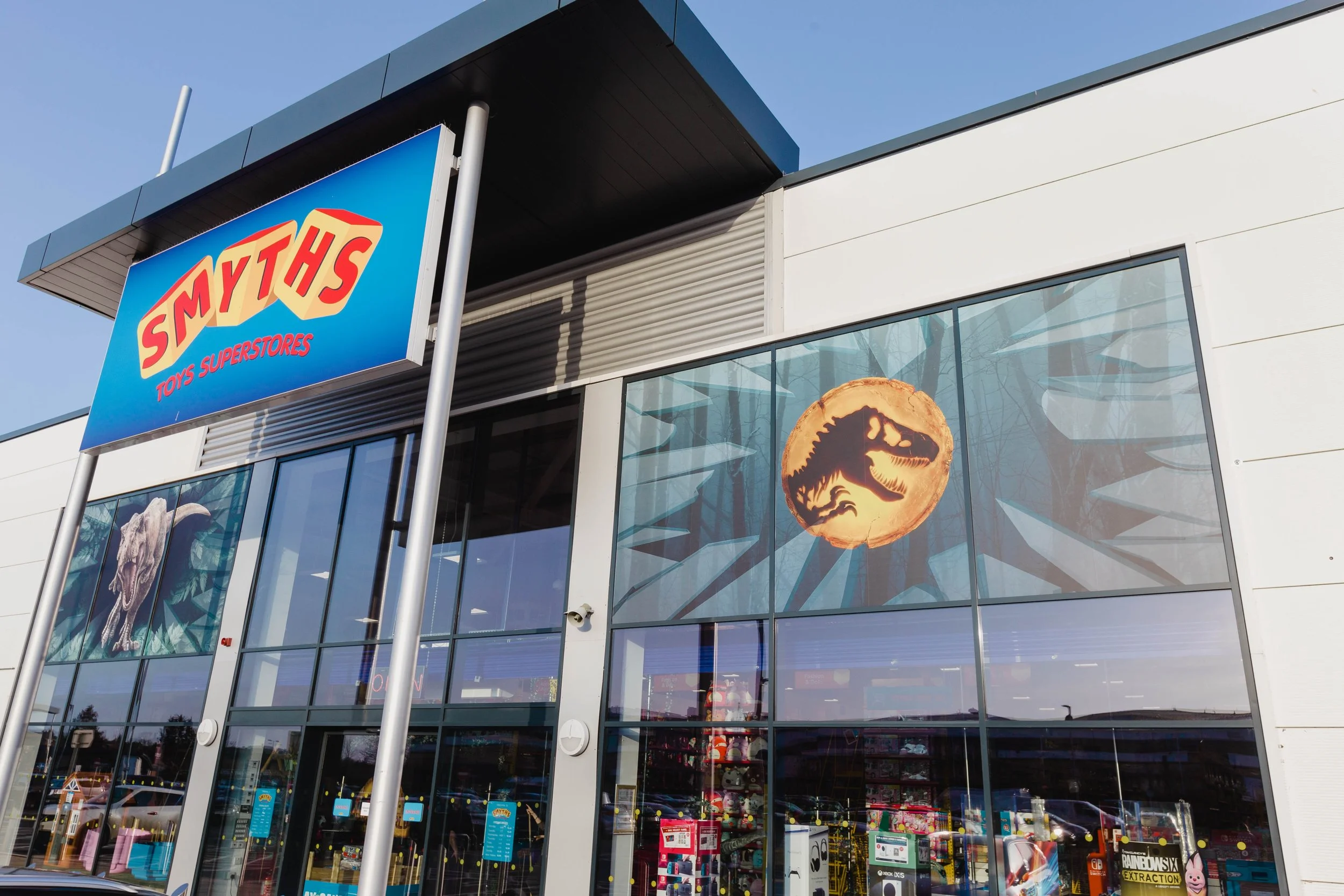
Universal - Jurassic World Smyths 2024
Toys are an emotional, visual purchase, and much of the decision happens in-store. Broader retail research points the same way. POPAI's 2014 Mass Merchant Study found that 82% of purchase decisions in US mass merchants were made in store, and its 2012 study found that nearly one in six brand purchases happened when a display for that brand was present. Neither study is toy-specific, so treat them as indicators rather than toy benchmarks. Strong displays communicate your brand story, signpost your range and help you stand out from rivals on the same shelf. Clear, compelling displays also give retailers a reason to back your range, although space decisions vary by retailer.
Visual Merchandising and Display Fundamentals for Toy RetaiL
Great toy displays start with clarity. A shopper should understand what your brand is, and where to find the right product, within a few seconds. That means consistent branding, a clear hierarchy that puts hero products front and centre, and sensible placement at both adult eye level and child height. Toys are picked up, dropped and rearranged all day long, so durability matters just as much as looks. Modular designs that flex across different store sizes and layouts help you stay consistent across your whole retail estate.
Shop-in-Shops vs Standalone Displays: Which Format Fits Your Range?
A shop-in-shop gives your brand its own immersive space within a retailer. It suits broad ranges, strong characters and licensed properties with a story to tell, and it gives you control over the whole brand experience. That matters in a market where, according to Circana and the BTHA, licensed toys and games made up 35% of UK toy sales in 2024. Standalone displays, such as floor stands, FSDUs, gondola ends and counter units, suit focused ranges, promotions and impulse lines, and generally cost less and deploy faster. Many brands use both: a shop-in-shop in flagship stores, supported by standalone units across the wider estate. The right answer depends on your range depth, your retail partners and your budget.
Designing Displays for Try-Me and Play Moments
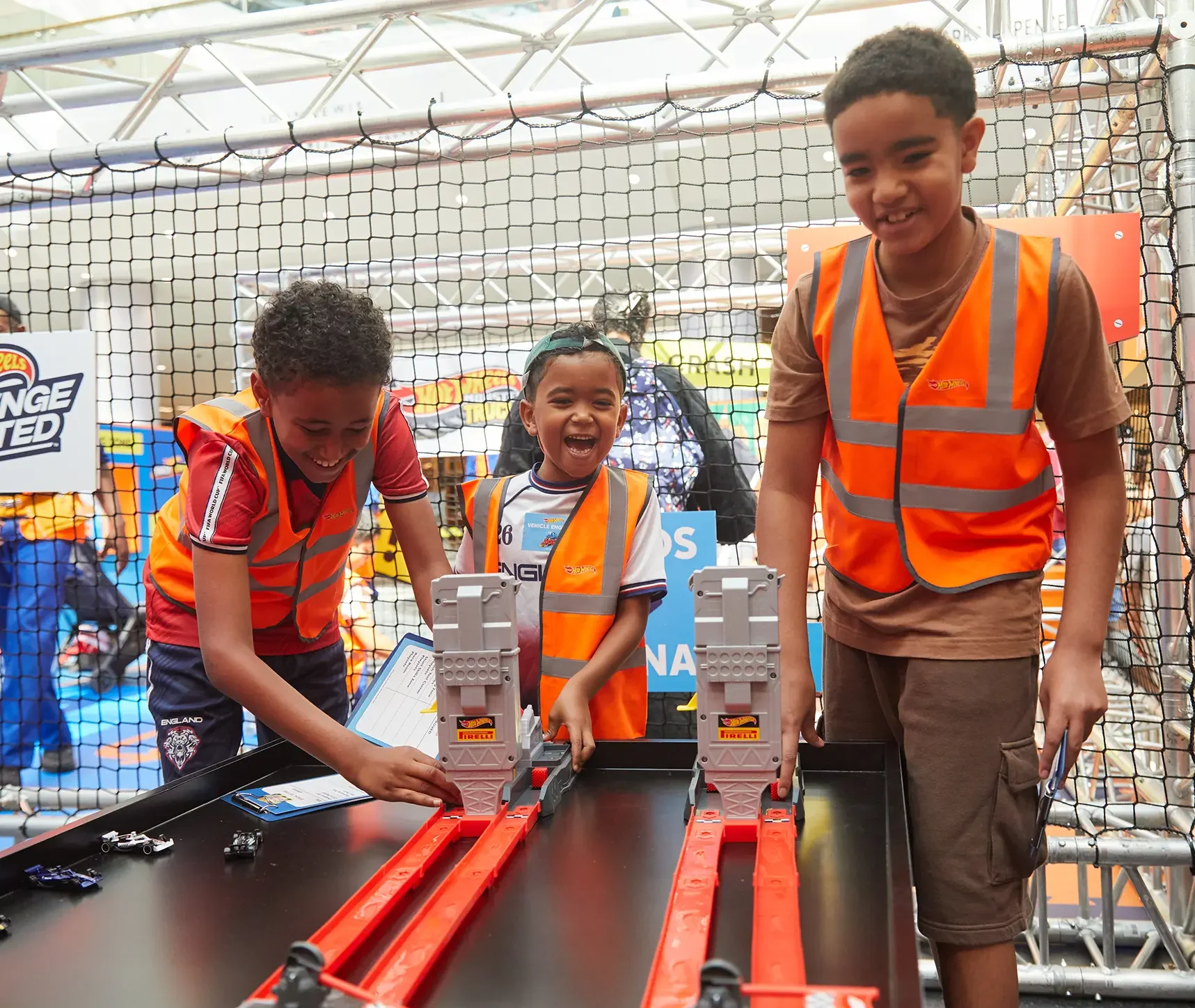
Toys are easier to love when they're experienced. Demo units, play areas, lights, sound and touchscreens invite children to engage, and that engagement can give parents a reason to buy. Our own projects show the pull of hands-on play, although they were brand experiences rather than in-store sales tests. At the Mattel Hot Wheels Testing Centre at Westfield London, visitors tested tracks and playsets themselves, and over 4,000 people came in five days, with 2,300 taking part. Moonspell Magic by Monster High drew a record 3,900 visitors to Outernet London on opening day. Practical details matter: safe heights, hygiene, tamper resistance and durability. Good visual merchandising and display also thinks about the shopper journey, so the play moment leads naturally to the product on the shelf, with clear pricing and a simple route to purchase.
Seasonal Toy Windows: Planning for Christmas and Beyond
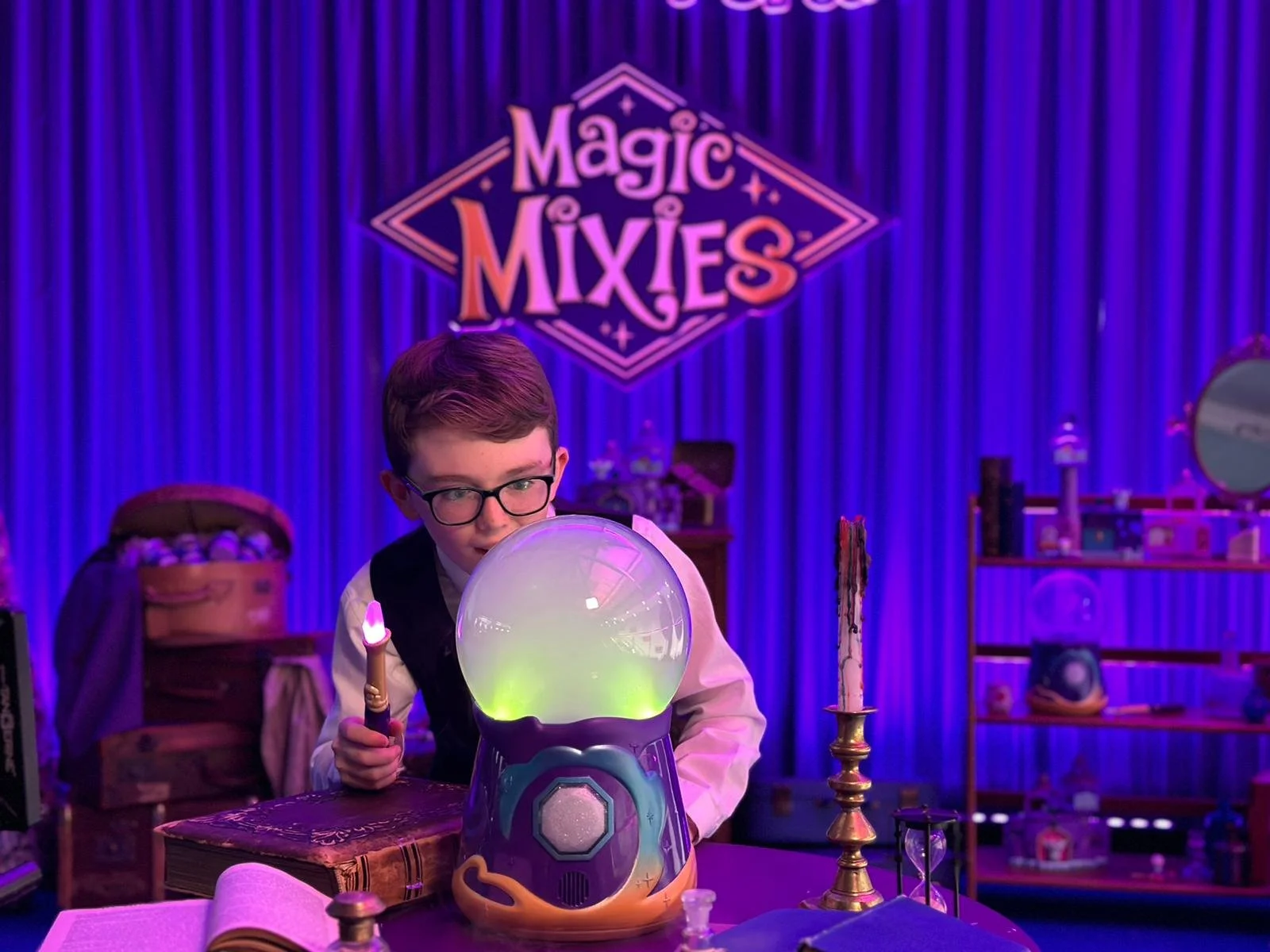
Magic Mixies - Smyths 2023
Christmas is the biggest moment in the toy calendar. Circana data shows it accounts for nearly a quarter of annual UK toy sales, worth around £0.9bn in the 12 months to June 2025, and BTHA and Circana reported a 51% surge in Christmas sales in the week leading up to Christmas 2024. Shoppers also start early: NPD's 2020 Christmas study found that 35% of parents began their Christmas shopping in September or October. Displays therefore need to be in store well before December, which means concepts must be agreed, designed, produced and delivered months ahead. Beyond Christmas, plan for Easter, summer holidays, back-to-school and film or TV tie-ins. Flexible fixtures let you refresh graphics and messaging throughout the year without rebuilding the structure every time.
Getting Retailer Buy-In: What Department Stores Look For
Every retailer is different, but department stores and toy specialists generally want displays that earn their space. Typical considerations include brand appeal, a clear commercial case, a good fit with the store's look and feel and safety compliance, as well as ease of installation, maintenance and replenishment. Priorities vary, so check each retailer's guidelines and ask their buyers directly. With around 30% of UK toy sales value in 2024 coming from new products, according to Circana, retailers see a steady stream of launches, so a clear commercial case helps. When you pitch, bring more than a good idea: show visuals, specifications, expected performance and the marketing support behind the launch.
Installation, Logistics and Retail Guidelines
A brilliant concept falls flat if it arrives damaged or can't be assembled on the shop floor. Plan for flat-pack or modular construction, clear instructions, protective packaging and a realistic installation schedule across multiple stores. Every retailer has its own guidelines covering dimensions, weight limits, fire safety and load-in times, and you need to know them before design begins. Working with a team that manages production, delivery, and installation together reduces risk and keeps your launch on schedule.
How to Choose a Visual Merchandising Agency
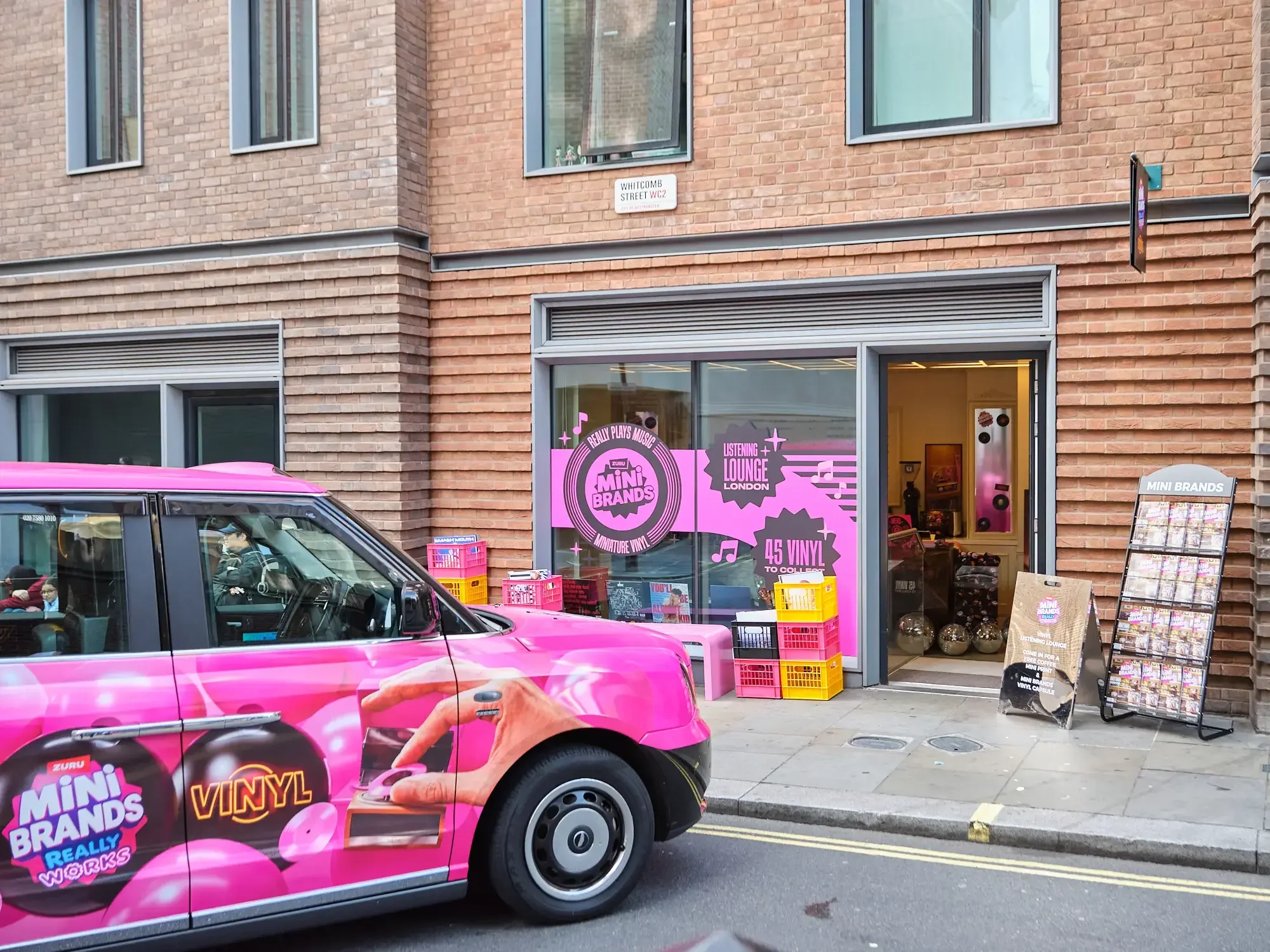
Look for a visual merchandising agency with proven retail experience, ideally in toys, and with design, production and installation capability under one roof. Ask to see case studies, confirm they understand retailer guidelines, and ask how they handle budgets, timelines, and revisions. The right visual merchandising agency acts as a partner, not simply a supplier, bringing ideas and delivery. You can see examples of our toy work in these case studies: ZURU Mini Brands Listening Lounge, Mattel Moonspell Magic and Mattel Hot Wheels Testing Centre.

Conclusion: Making Your Toys the Hero of the Shelf
The toy brands that win in store treat display as part of the product experience, not an afterthought. They choose the right format, design for play, plan seasonal activity early and make life easy for their retail partners. Get that right, and your toys stop being one more item on the shelf and become the reason shoppers stop. Ready to talk through your next display or shop-in-shop? Get in touch with the Backlash team.
FAQ's
〰️
FAQ's 〰️
-
Very important. Toys are a visual, hands-on purchase, and research suggests a large share of buying decisions happen in store: POPAI's 2014 Mass Merchant Study put the figure at 82% for US mass merchants, although it isn't toy-specific. Effective merchandising draws attention, communicates your brand story, helps shoppers find the right product quickly and encourages play. Strong displays can also help you make your case to retailers.
-
Yes, particularly for brands with a broad range, strong characters or licensed properties. Licensed toys and games made up 35% of UK toy sales in 2024, according to Circana and the BTHA. A shop-in-shop creates an immersive, branded environment that can build recognition and lets you control how you present your products. For smaller or more focused ranges, standalone displays may be more cost-effective, and many brands combine the two.
-
As a rule of thumb, six to nine months ahead, although the right timing depends on each retailer's own deadlines. Circana data shows Christmas accounts for nearly a quarter of annual UK toy sales, and NPD's 2020 study found that 35% of parents started shopping in September or October, so displays need to be in store well before December. Starting early leaves time for concept development, retailer approval, production, testing and delivery, and avoids last-minute pressure on production and installation.
-
A visual merchandising agency designs, produces and installs the displays, windows and shop-in-shops that present your products in store. This covers concept design, retailer guidelines and approvals, manufacture, logistics and installation, so your brand looks consistent and performs well wherever it's sold.
Sources
POPAI 2014 Mass Merchant Study: 82% of purchase decisions made in store (Retail Customer Experience)
BTHA and Circana: 51% Christmas sales surge in the week before Christmas 2024 (Toy Fair)
Circana and BTHA: licensed toys 35% of UK toy market (Licensing Source)
Circana: 30% of UK toy value from new products (Spielwarenmesse)
Backlash case studies: Hot Wheels Testing Centre, Moonspell Magic